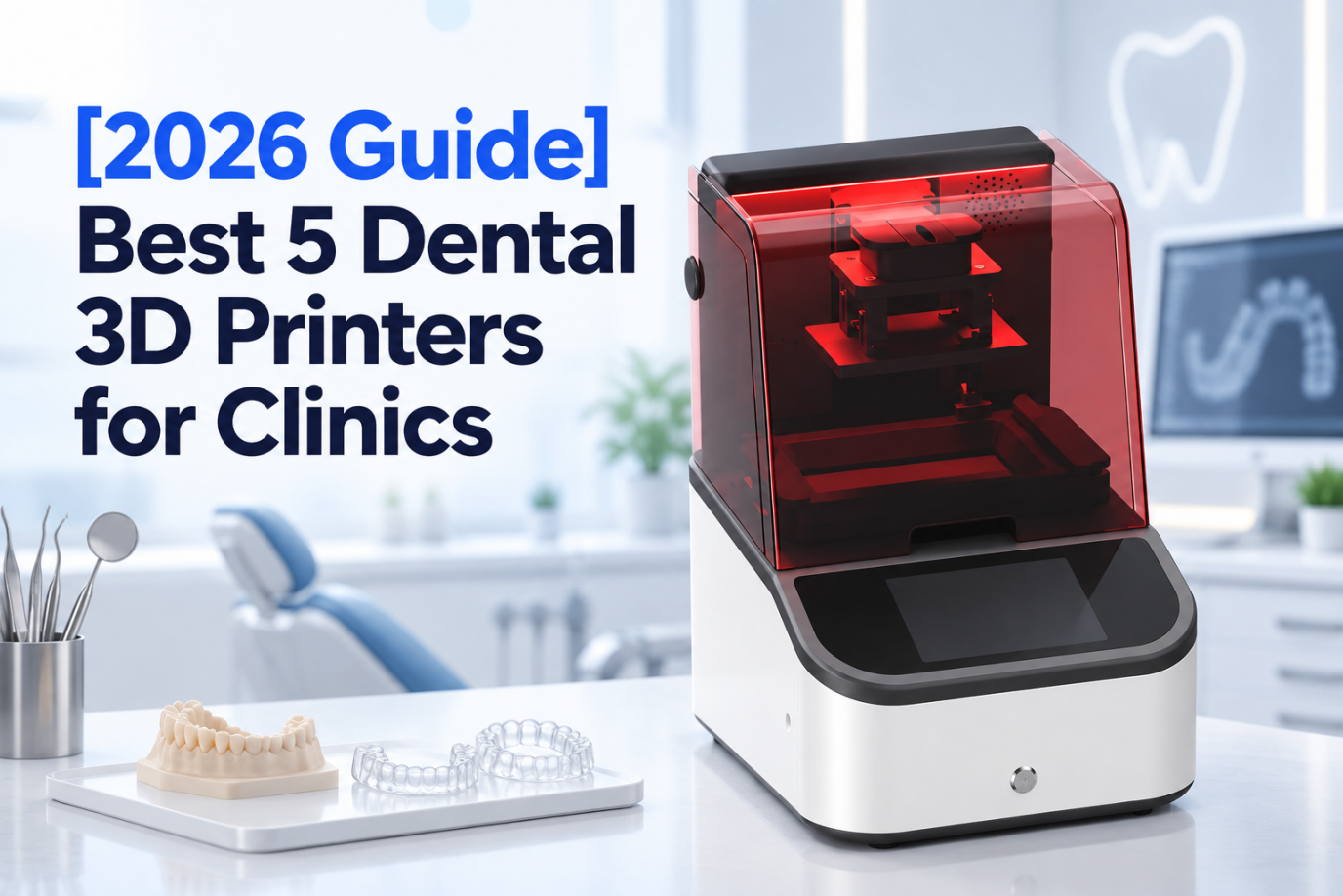
Material choice is one of the most important decisions in dental 3D printing. A printer can deliver reliable results only when the resin matches the intended application, workflow requirements, and production expectations.
For dental laboratories moving toward digital manufacturing, the question is not simply whether a material can be printed. The more important issue is whether the material provides the right balance of accuracy, stability, and usability for daily production.
We are Riton, and we develop dental resin materials designed for digital dentistry workflows. Understanding material characteristics helps laboratories choose solutions that better support consistent manufacturing results.
What Determines the Value of Photocurable Resin for Dental 3D Printing?
The value of photocurable resin 3D printing materials comes from how well the material works within the complete printing process. Resin selection affects printing preparation, post-processing requirements, and the quality of the final dental model or component.
Photocurable resin works through a light-curing process. During printing, controlled light exposure triggers polymerization, allowing liquid resin to solidify layer by layer according to digital design data. This makes the material suitable for applications requiring detailed reproduction of digital models.
For dental laboratories, accuracy is often a primary requirement. Digital impressions and CAD designs contain detailed information that must be transferred correctly into physical models. A suitable resin material helps maintain the intended shape and surface details during production.
When evaluating photocurable resin 3D printing materials, buyers should consider more than basic compatibility with printing equipment. Material behavior, application purpose, and workflow requirements all influence the final production outcome.
Which Material Features Influence Dental Printing Performance?
Different dental applications require different material characteristics. A resin developed for producing dental models may have different priorities compared with materials used for surgical guides, temporary restorations, or other dental components.
One important feature is dimensional stability. Dental workflows depend on accurate reproduction of digital designs, so materials need to maintain their structure during printing and post-processing.
Surface quality is another factor that affects practical use. Materials with suitable printing characteristics can help laboratories produce models with clear details and smooth surfaces, reducing unnecessary adjustments during later procedures.
At Riton, we develop dental-specific resin materials for a range of digital dentistry applications, including model materials and other specialized solutions. We formulate each material to support specific dental production workflows, with properties such as precision, stability, and wear resistance.
Material handling also influences laboratory efficiency. Resin viscosity, cleaning requirements, and curing procedures can affect how easily operators manage daily production tasks. A material that fits existing processes can help improve workflow consistency.
How Dental Resin Materials Support Different Digital Production Needs
Dental production includes various applications, and each one requires different material performance. Choosing the correct resin depends on what the laboratory plans to manufacture and how the printed parts will be used.
For example, dental model production requires materials that can reproduce anatomical details accurately while maintaining practical handling characteristics. Our Model S1.0 is a dental photopolymer material developed for dental model production, including orthodontic thermoforming models and opposing models.
Temporary dental applications may require different material properties. Our Model T1.0 is designed as a dental photopolymer material for producing temporary dental crowns and bridges. The product information states that it contains 15% nano ceramic material and is designed with characteristics including high hardness, high strength, and surface appearance suitable for dental applications.
This difference demonstrates why selecting a dental resin manufacturer with application knowledge is important. A single material cannot meet every production requirement. Laboratories need materials developed around specific manufacturing scenarios.
A proper material choice can simplify workflow decisions because operators can select resins according to the intended clinical or laboratory purpose rather than adjusting processes around unsuitable materials.
Why Material Expertise Matters When Choosing a Resin Supplier
The supplier behind a resin material can influence long-term production success. Dental laboratories need more than a bottle of resin; they need materials that match equipment, applications, and manufacturing objectives.
Working with experienced dental resin manufacturer partners can provide better guidance during material selection. Suppliers familiar with digital dentistry understand that different workflows require different solutions.
Material development also requires attention to consistency. Stable resin formulation helps laboratories maintain predictable printing procedures and reduce unexpected workflow changes.
Dedicated to advancing digital manufacturing in dentistry, we at Riton provide purpose-built resin solutions integrated within a comprehensive ecosystem of equipment and workflows.
For companies assessing photocurable resin 3d printing technologies, looking beyond mere material specifications to evaluate supplier strength is vital for maximizing efficiency.
Highlighting key attributes such as dimensional accuracy and workflow integration, the choice of material dictates overall printing performance. By weighing these factors, dental laboratories can build dependable production systems backed by Riton‘s innovative material expertise.