
Post-processing plays an important role in achieving high-quality results after 3D printing. While advanced printers can create complex designs with high accuracy, the final surface quality often depends on effective polishing technology. A 3D print polishing machine helps remove surface imperfections, improve appearance, and enhance the performance of printed parts. At Riton, we provide innovative dental manufacturing solutions that support digital production workflows. Our RT-900 Plasma Polishing Machine is designed to help dental professionals achieve efficient, precise, and consistent polishing results with advanced automation technology.
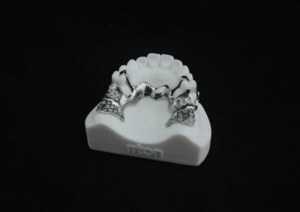
Understanding the Function of a 3D Print Polisher
A 3D print polisher is a specialized system used to improve the surface finish of 3D printed products. During printing, small surface roughness, support marks, or uneven textures may appear on finished parts. A professional polishing system helps refine these areas while maintaining the dimensions and edge angles of the printed parts.
For dental applications, reliable dental polishing equipment is essential because dental components require excellent surface quality and precise dimensions. Traditional manual polishing methods can introduce inconsistencies due to differences in operator skills and working conditions. A modern dental lab polishing machine helps reduce these uncertainties by providing a more stable and controlled process.
Riton’s RT-900 Plasma Polishing Machine uses advanced plasma polishing technology to achieve gentle and accurate surface treatment. It removes only the peaks of surface roughness without changing the dimensions or edge angles of the printed products, helping maintain design accuracy while improving surface quality.
How Riton Plasma Polishing Technology Improves Efficiency
Efficiency is a key factor for dental laboratories and manufacturing businesses. Manual polishing can be time-consuming and requires experienced technicians to achieve consistent results. Automated dental polishing equipment provides a smarter approach by simplifying operations and improving productivity.
The RT-900 offers automatic polishing with high efficiency and precision. Its streamlined process allows polishing tasks to be completed in one step, reducing operational complexity and shortening processing time. This makes it easier for dental teams to manage daily production requirements while maintaining reliable quality.
As a professional dental lab polishing machine, the RT-900 helps businesses reduce the influence of human factors during polishing. By providing stable performance and repeatable results, it supports the production of dental components with consistent appearance and quality.
Why Choosing the Right Dental Polishing Solution Matters
Selecting suitable dental polishing equipment is important for companies looking to optimize their digital manufacturing workflow. A high-quality polishing system should not only improve surface finish but also protect the accuracy and functionality of printed products.
At Riton, we focus on developing complete dental digital solutions that help businesses improve production efficiency and product quality. Our RT-900 Plasma Polishing Machine is designed to free operators from manual polishing limitations while unlocking the potential of digital manufacturing.
For dental laboratories searching for a dependable dental lab polishing machine, Riton provides advanced solutions that combine automation, precision, and ease of operation. Our technology helps customers achieve smoother surfaces, stable quality, and more efficient workflows.
Advancing Dental Manufacturing with Riton
A 3D print polisher is an important part of modern digital production, especially for dental applications that demand precision and consistency. With features such as automatic polishing, consistent polishing results, and one-step processing, Riton’s RT-900 dental polishing equipment helps businesses improve manufacturing performance. By choosing the right dental lab polishing machine, dental professionals can achieve better results and move toward a more efficient digital future.