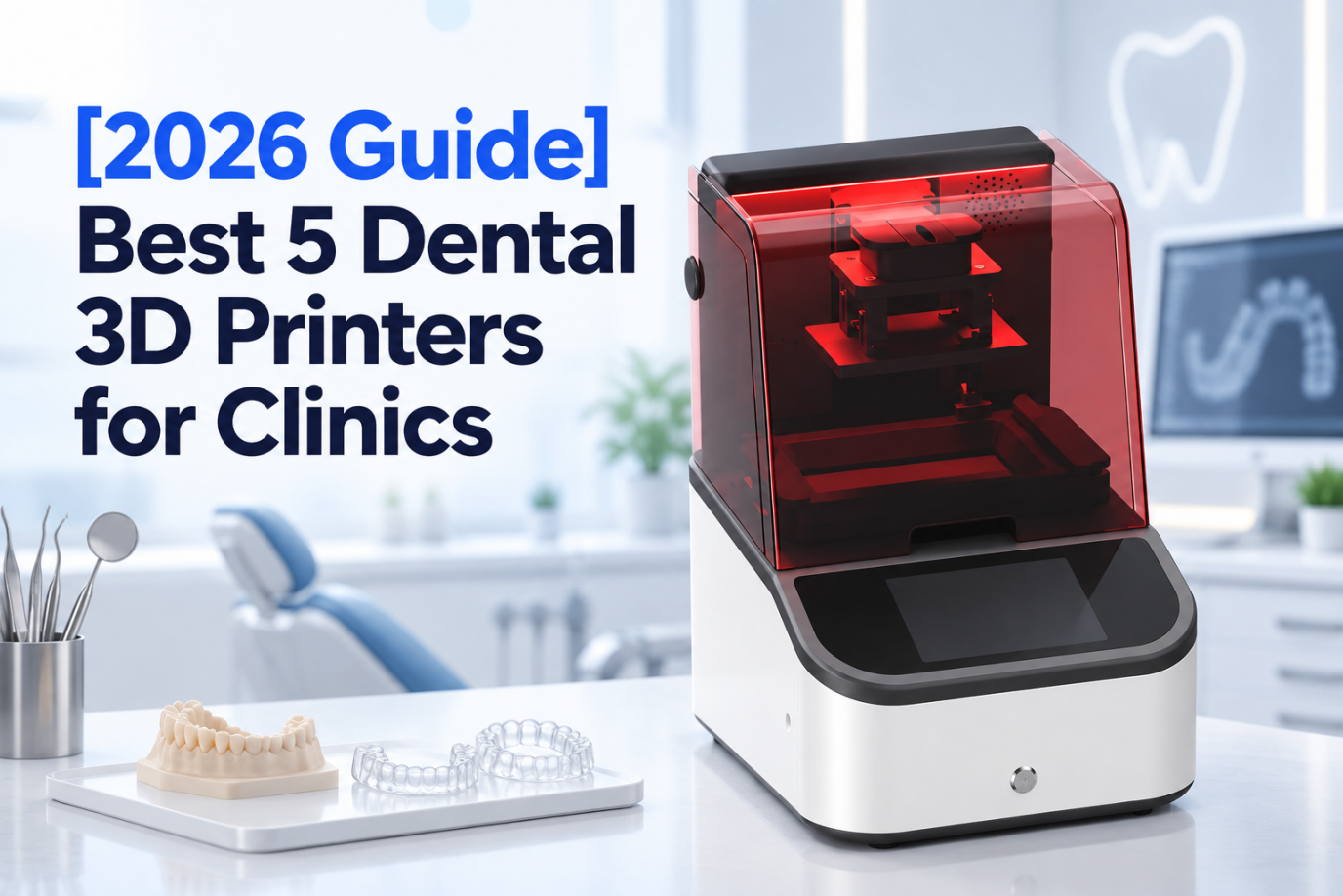
High-volume dental production demands more than a capable printer. We need a system that combines throughput, repeatability, material flexibility, and precision without consuming excessive production space.
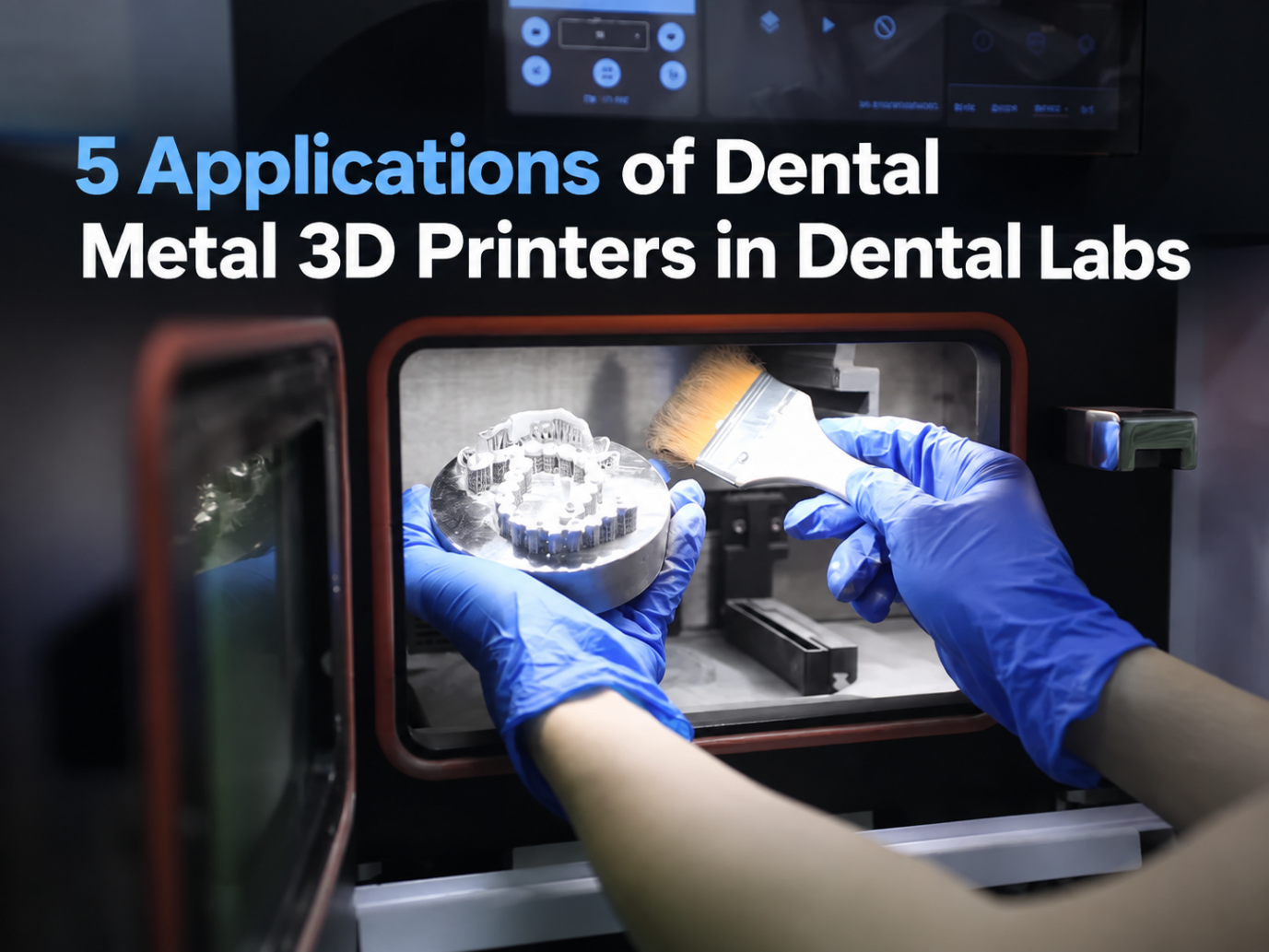
Metal laser 3D printing is increasingly relevant because it can transform digital dental designs into customized metal restorations through controlled additive manufacturing. For laboratories and dental manufacturers scaling production, the question is whether this technology can deliver both capacity and consistent quality.
Why High-Volume Dental Production Needs More Than Speed
When we evaluate a metal laser 3D printer, printing speed is only one part of the equation. High-volume production also depends on powder spreading, build management, batch capacity, process stability, and consistency from one production cycle to the next.
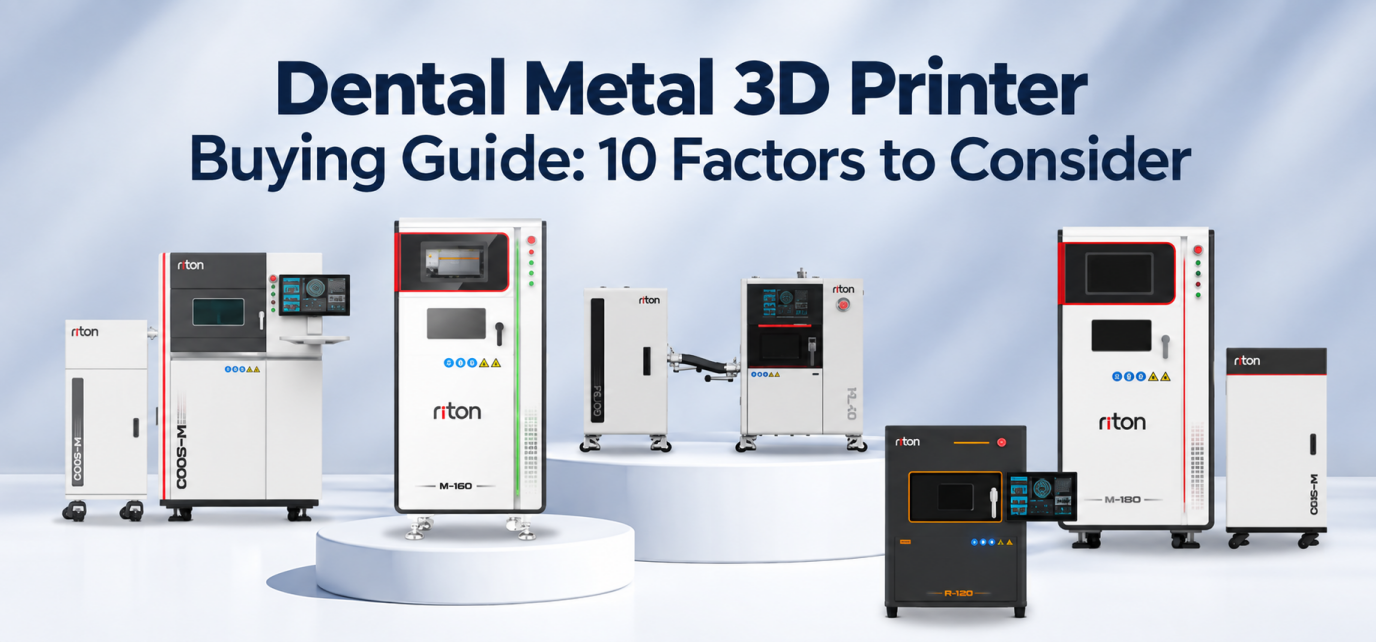
Application-specific engineering therefore matters. Riton develops metal 3D printers specifically for dental metal restorations. Our current portfolio includes MLAB, MCUBE, M-150 Series, and M-200D, supported by dental metal materials and auxiliary equipment. This ecosystem gives us more options as our production requirements expand.
How 3D Metal Printer Companies Support Production Scaling
When comparing 3D metal printer companies, we should examine the entire production system rather than one headline specification. Build area, powder management, scanning strategy, material compatibility, machine footprint, software, and technical support can all affect our actual throughput.
Our M-150 uses a single fiber laser with output power up to 500W, scanning speed up to 14,000 mm/s, and a melting area of Φ150 × 140 mm, including the build plate. It supports 20–60 μm layer thickness and CoCr and titanium alloys.
These specifications become meaningful when connected to production. Riton states that the M-150 can print 200 metal crowns or 17 frameworks in 4.5 hours. Actual production time can vary according to operating conditions, so we should use this figure as a reference when modeling capacity, labor utilization, and expected order volumes.
Powder Management Can Determine Real-World Efficiency
High-volume production requires stable powder handling because inefficient spreading can increase cycle time and affect layer consistency. Riton has optimized the M-150’s powder spreading process with segmented variable speed, dual-cylinder lifting, and pre-powder spreading.
These improvements increase efficiency by at least 30% compared with similar 3D dental equipment. For us, the important consideration is how this optimization translates into productive machine hours and greater output from a limited production footprint.
Precision Must Keep Pace With Production Volume
Increasing throughput is valuable only when printed products continue to meet our quality requirements. Dental components can contain intricate geometries, and higher production volumes increase the importance of repeatable process control.
Riton’s M-150 combines optimized forming-chamber performance, an adjustable optical path, spot compensation, multi-pass contour outlining, island scanning, regional filling, and multiple support composite structures. Riton describes these technologies as working together to maintain printing precision and product quality.
This matters because precision is not determined by laser power alone. Optical control, scanning strategy, support design, and chamber performance all contribute to the final result. For us, the ideal platform must balance speed with predictable quality rather than maximizing one metric at the expense of another.
Compact Equipment Can Improve Production Economics
Floor space can become a serious constraint as dental businesses increase capacity. Adding equipment may require facility expansion or workflow changes, making compact equipment valuable beyond its basic printing capability.
Riton‘s M-150 just occupies about 0.8 m². Its dimensions are 780 × 950 × 1,660 mm, with a weight of 500 kg. The compact footprint can help us optimize production space while retaining a build area designed for dental manufacturing.
The M-150 also features automated deoxidation logic and a dual gas supply system. This reduces gas consumption and reduces waiting time for equipment to refill with gas, supporting a more streamlined workflow.
Scaling Requires Materials, Software, and Service
A high-volume printer cannot operate independently. We need compatible materials, appropriate post-processing, production monitoring, installation support, and technical assistance to turn machine capacity into dependable business output.
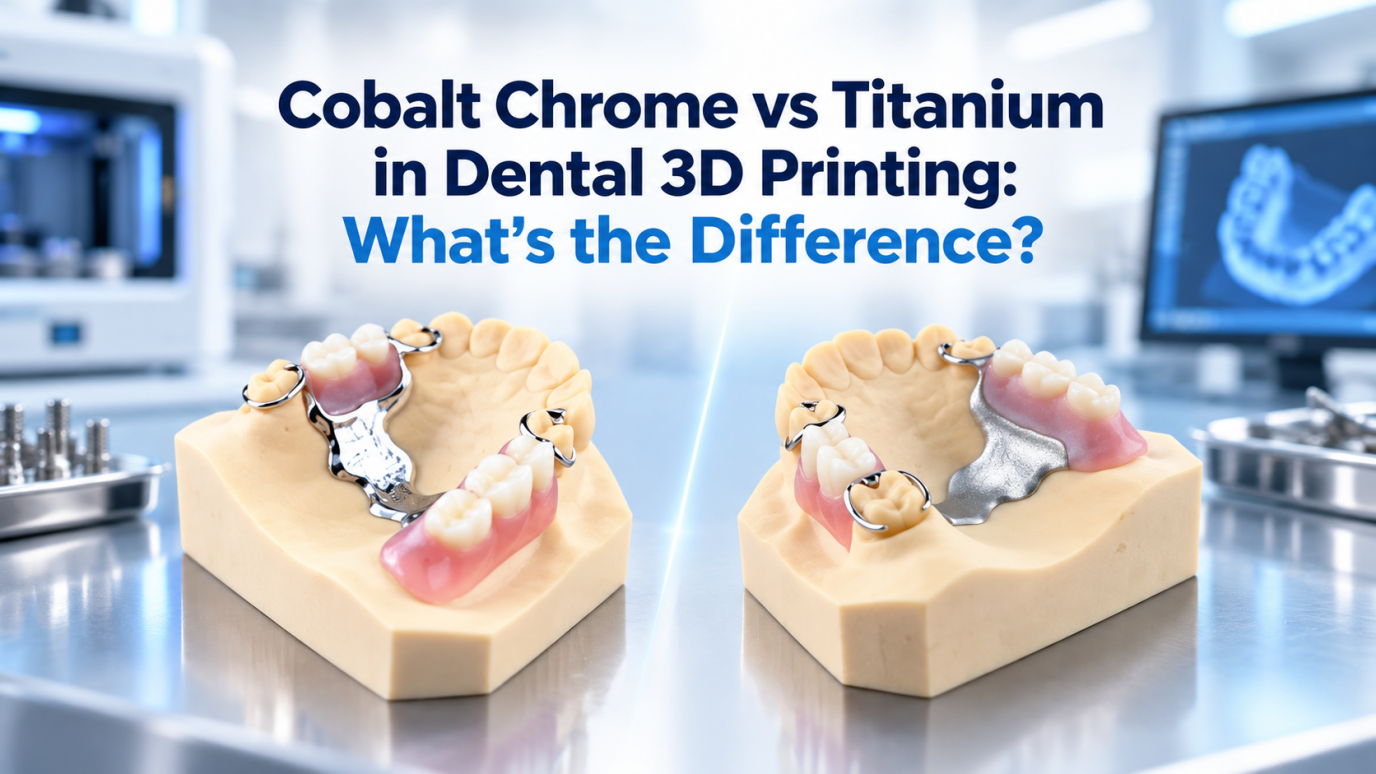
Riton’s metal materials are tailored for SLM dental applications and include CoCr, titanium, and NiCr. Its services include equipment and site consulting, on-site installation, professional training, online technical support, and on-site repairs within 48 hours.
For us, this broader ecosystem is important because scaling production involves more than purchasing hardware. The supporting infrastructure can directly affect uptime, operator capability, workflow continuity, and the long-term return on equipment investment.
Building the Next Stage of Dental Production With Riton
Metal laser 3D printing has strong potential for high-volume dental production because it combines digital customization with repeatable additive manufacturing. However, we should evaluate efficiency, precision, powder management, footprint, materials, and technical support together before investing.
Our M-150 brings these considerations together in a dental-focused platform, with a Φ150 × 140 mm melting area, production capacity of up to 200 crowns or 17 frameworks in 4.5 hours, and multiple process technologies designed to maintain precision.
For us, the next step is not simply printing faster. It is building a production system where higher volume and dependable quality can grow together. With the right metal laser 3D printer and supporting ecosystem, dental manufacturers can move toward more scalable, digitally driven production while maintaining the precision their customers expect.